


Going to move other countries
| Year | Revenue (SGD) | Earnings (SDE) | NET MARGIN |
|---|---|---|---|
| 2026 | SGD 40K | SGD 8K | 20.0% |
N/A
N/A
N/A
AI paraphrased description: This SWOT analysis helps you quickly see the good and bad sides of a business, plus the opportunities to grow it and the risks to watch out for. It makes it easier for buyers to decide if a business is worth buying without getting lost in complicated details
Seller-submitted financials for 2025 indicate revenue of SGD 40k and SDE of SGD 8k, implying an approximate net margin of ~20%. For small Singapore dine-in operators, net margins commonly fall around ~5–15% after accounting for rent, labour, and utilities, so this margin would be a positive signal if the cost base is complete and accurately presented. If this holds under due diligence, it suggests the operation may have early pricing discipline or a cost structure that can support continued trading under a new owner.
Because only one year of seller-reported figures is available and no cost line items were provided (rent, payroll, food cost %, utilities), the margin should be validated against primary records before being relied upon for valuation.
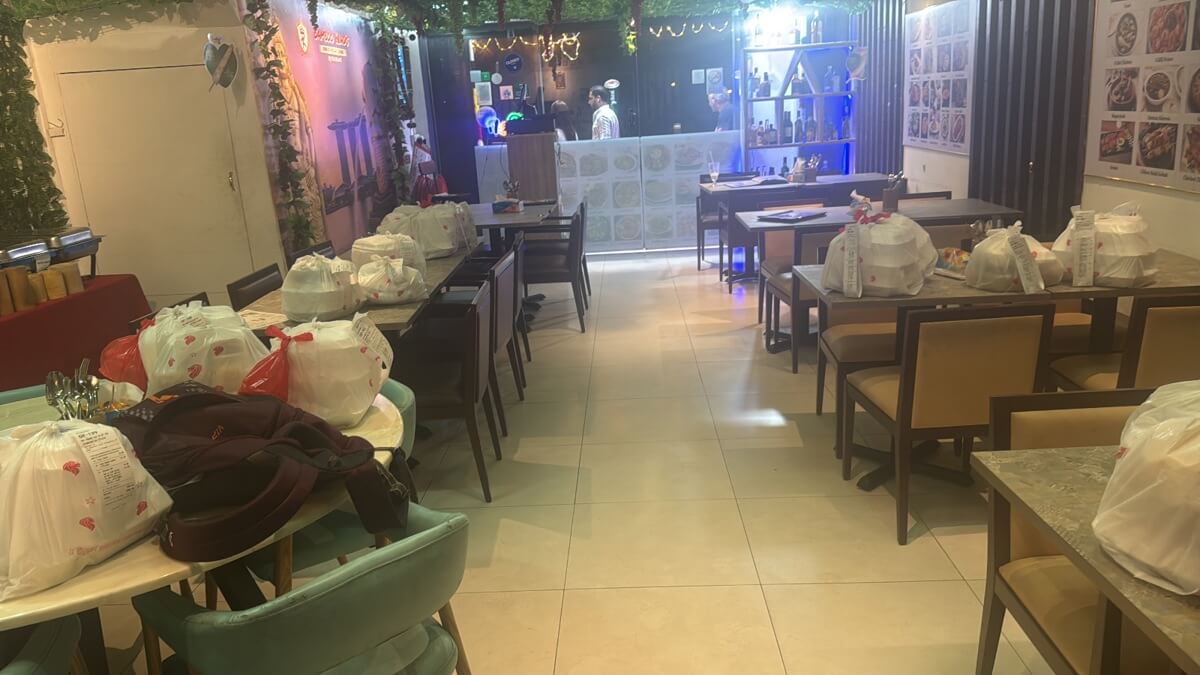
The listing describes a functioning physical dine-in restaurant with an existing operating team of 6–10, which a buyer can take over rather than spending months on site build-out, recruitment, and initial opening ramp. In Singapore, setting up a new dine-in venue typically involves meaningful time and upfront costs (renovation, equipment, deposits, licensing lead times, and initial hiring), which acquisition can partially shortcut. If the kitchen and front-of-house workflows are already stable, the buyer is effectively purchasing a running operation rather than a concept on paper.
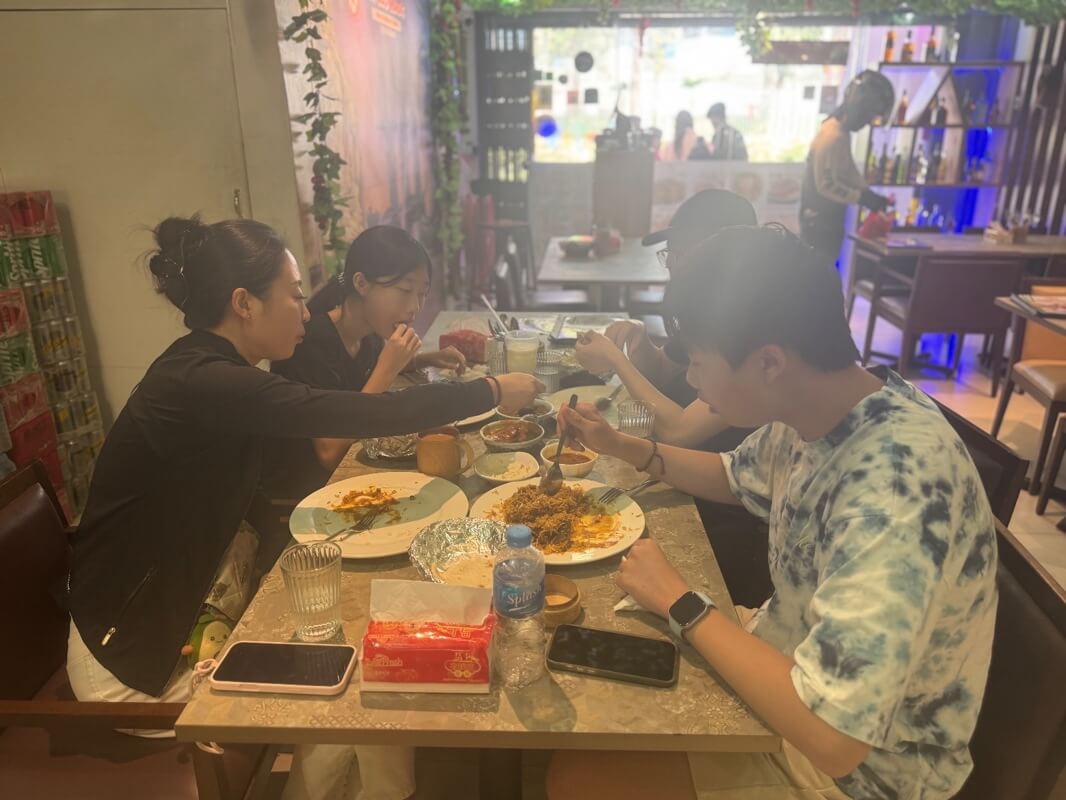
The seller reports that the customer mix includes mainly Chinese customers and tourists, indicating the concept may already resonate with visitor-driven demand rather than relying only on nearby repeat office/residential traffic. In Singapore F&B, tourist-linked demand can support higher peak throughput and premium basket sizes when the location and discoverability align. If validated through sales mix (payment modes, peak-day patterns, receipt language mix, delivery vs dine-in split), this positioning can help a buyer focus marketing and menu decisions quickly.
The business is stated to be a sole proprietorship, which in Singapore often results in an asset purchase structure (equipment, lease assignment, licences where transferable, brand assets) rather than acquiring shares in a company. For many buyers this can reduce exposure to unknown historical liabilities compared to a share purchase, provided contracts and licences are properly re-issued or assigned. The acquisition value comes from selectively buying what is needed to operate on day one, subject to landlord and regulator approvals.
The revenue model is described as mostly one-off transactions, which typically makes cashflow less predictable than models supported by catering contracts, corporate accounts, or prepaid memberships. For small Singapore restaurants, volatility from weather, events, and seasonality can materially affect weekly sales when there is limited contracted revenue. A buyer inherits the need to stabilise demand through repeat-visit programs, delivery/catering channels, or partnerships, particularly during ownership transition.
No Google My Business data, review counts, or third-party web signals were provided, so the business’s brand pull and service consistency cannot be assessed from independent sources. In Singapore F&B, operators with strong Google/Tripadvisor/Chope signals often convert more walk-ins and tourists, while low visibility can force greater reliance on paid acquisition or pure footfall. A buyer should expect to invest time and budget into reputation and discovery unless strong existing profiles are confirmed during due diligence.
Only a single year of seller-submitted revenue (SGD 40k) and SDE (SGD 8k) is provided, with no debt figure, no monthly operating costs, and no variable expense breakdown. For Singapore dine-in businesses, major drivers like rent, manpower, and food-cost percentage determine whether earnings are sustainable, and these cannot be evaluated here. A buyer inherits verification work to reconcile POS sales, bankings, supplier invoices, and payroll/CPF to confirm true profitability.
The seller states the business was founded in 2026, which places it in an early-stage phase where processes, menu-market fit, and steady repeat demand may still be developing. For Year 1–2 Singapore F&B operations, it is common for performance to shift materially as initial promotions end and cost structures normalise. A buyer inherits the need to confirm whether current sales reflect sustainable demand versus a launch period, seasonal tourist uplift, or owner-led effort.
No website or social channels are provided, and there is no verified Google profile data in the dataset. For Singapore restaurants, customers—especially tourists—commonly rely on Google Maps, social photos, and platform listings to decide where to eat; weak discoverability can suppress demand even with a good product. The buyer may need to allocate resources quickly to establish listings, photos, menu links, and basic social content to avoid revenue leakage.
A new owner can realistically improve demand by establishing a complete Google Maps presence (menus, photos, operating hours, attributes, reservation/contact links) and consistent social content, which is often a key conversion path for tourists deciding on-the-spot. This is achievable within the first 30–90 days using existing in-store assets (menu, dishes, interiors) without major capex, assuming ownership and contact details for the business can be verified and updated. If the seller’s stated tourist customer mix is accurate, incremental visibility can translate directly into walk-in uplift rather than requiring a full rebrand.
If the operation is currently predominantly dine-in and walk-in, a buyer can add delivery/pickup via GrabFood/Foodpanda/Deliveroo within 3–6 months to reduce reliance on footfall and capture nearby residential/office demand. Execution is practical using the existing kitchen team, with prerequisite work on menu engineering (items that travel well) and packaging SOPs. For small Singapore outlets, delivery can be margin-dilutive due to commissions, but it can stabilise sales and improve utilisation during off-peak hours when the restaurant otherwise runs below capacity.
Within 6–12 months, a buyer can convert a portion of one-off traffic into repeat customers through simple mechanics such as QR-based loyalty stamps, returning-customer bundles, and limited-time set meals targeted at the core segment the seller describes (Chinese patrons). This is achievable without enterprise systems by using low-cost loyalty tools and staff scripting at cashier, assuming POS data can identify best-selling items and peak periods. The main prerequisite is consistent service execution so incentives do not amplify operational bottlenecks.
The listing suggests demand is tied heavily to Chinese customers and tourists; a buyer can diversify within 12–18 months by adapting menu communication and merchandising (English-first menus, clear allergens, photo-led ordering, and targeted promotions) to capture local residents and nearby workers. This is operationally feasible because it leverages the same kitchen capability, with changes focused on presentation, pricing architecture, and outreach rather than a full concept overhaul. The prerequisite is confirming the micro-catchment and the restaurant’s actual location dynamics (weekday lunch vs evening vs weekend patterns).
With a stated team size of 6–10, the business is meaningfully exposed to wage inflation and staffing availability, which can quickly erode profitability at a small revenue base. In Singapore F&B, tighter labour supply and competition for service/kitchen staff can raise wage rates and increase turnover-related training costs within a 12–24 month window. If the current earnings rely on lean rostering or owner coverage, external wage pressure can reduce the buyer’s ability to maintain the reported margin.
Because the operation depends on a physical dine-in site, future rent revisions, service charges, and utility pass-throughs can compress margins regardless of operational execution. This is particularly impactful when annual revenue is seller-reported at SGD 40k, as even modest monthly rent increases can represent a large percentage of sales. Without confirmed remaining lease term and renewal options, the business is exposed to external landlord decisions within the next 24 months.
The seller reports tourists are a meaningful customer segment, which exposes revenue to external travel cycles, seasonality, and event-driven crowd shifts. Within a 24-month horizon, changes in visitor composition or reduced discretionary spend can impact walk-in volume more quickly than it would for neighbourhood staples with high local repeat rates. This threat is amplified if the business has limited digital remarketing and limited repeat-visit mechanics to substitute for declining tourist traffic.
If competitors in the surrounding trade area are active on delivery platforms and the business is not, demand can gradually migrate to more visible options, particularly for convenience-led meals. Conversely, if the business adopts delivery to compete, platform commissions and promotional requirements can compress margins, which matters at the current small revenue scale. Either direction creates an external pressure dynamic driven by platform rules and competitor behaviour rather than the buyer’s service quality alone.
DATA DISCLOSURE
Please wait while we prepare your results