

img
  • Manufacturing & Industrial
  • Physical
  • 21 hours ago
  • 5 views

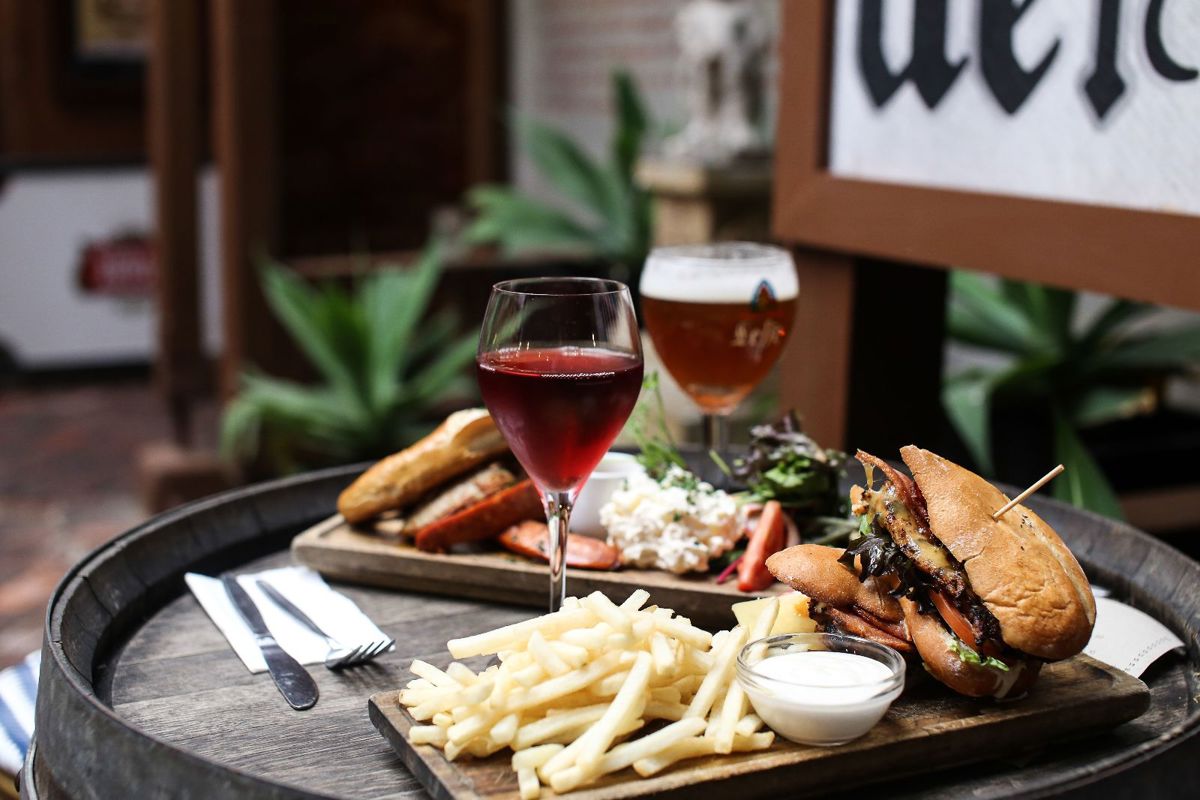
CBD European Restaurant And Pub With Live Entertainment

Basic Business Information

  • Industry: Manufacturing & Industrial
    • Legal Structure: Mostly one-off transactions
    • Operating Model: Physical
    • Year Founded: 2023
    • Team Size: 6-10
  • Reasons for Selling:

    Retiring

  • Description

    Financial Information

    Currency: SGD (S$)
    Financial Trends
    Annual Revenue Overview
    Financial Summary (SGD)
    Revenue (Dark Purple)
    Profit (Light Purple)
    3-Year Financial Summary
    Year Revenue (SGD) Earnings (SDE) NET MARGIN
    2025 SGD 1.12M SGD 280K 25.0%
    MONTHLY OPERATING COSTS
    Not Disclosed
    MONTHLY MISC. EXPENSES
    Not Disclosed
    BUSINESS MODEL
    Revenue Model: Mostly one-off transactions
    Tangible Assets:
    • Furniture: S$10,000

    Intangible Assets:
    • N/A

    Other Details

  • Licenses & Permits:

    N/A

  • Support Provided:
    • Training Support: The owner currently oversees the business at a managerial and operational level. Reasonable handover and transition support may be provided, including: •Operational familiarization •Supplier introductions •Staff transition support Basic operational guidance The exact scope and duration can be discussed during negotiations.
    • Staff Support: Current staffing structure includes: •Head Chef •Service Crew •Part-Time Service Team •Service Captain •Kitchen Team •Bar and Cashier Staff •Entertainment Personnel The business currently operates with a combination of local and foreign manpower supporting both kitchen and front-of-house operations.

    SWOT Analysis

    AI paraphrased description: This SWOT analysis helps you quickly see the good and bad sides of a business, plus the opportunities to grow it and the risks to watch out for. It makes it easier for buyers to decide if a business is worth buying without getting lost in complicated details

  • Seller-reported profitability at scale
  • Seller-submitted figures indicate 2025 revenue of S$1.12m and earnings (SDE) of S$280k, implying an approximate 25% margin. For Singapore pubs/restaurants, net margins are often in the ~5–15% band (directional), so this level—if it holds under due diligence—would place the operation in the stronger-performing range and can directly support valuation. A buyer would still need to validate this through accountant-prepared P&L, bank statements, and payroll/CPF records to confirm the true cost base and owner add-backs.

  • Turnkey dine-in venue with kitchen and bar build-out
  • The seller reports a fully fitted ~1,400 sqft venue with kitchen, bar setup, furniture/fixtures, and POS/cashier systems, which reduces the typical Singapore F&B time-to-open (often 8–16+ weeks including renovation, approvals, and supplier onboarding). Building a comparable restaurant-and-bar fit-out commonly requires six-figure capex depending on scope, so acquiring an operating setup can be economically attractive if equipment condition and licence transferability are confirmed. This is particularly relevant for a concept that depends on bar workflow and draft beer infrastructure that is slower to replicate from scratch.

  • Concept designed to monetise both food and high-margin beverages
  • According to the listing, the business combines European-themed dining with draft beer and a pub-led beverage program, plus live-entertainment social occasions. In Singapore, beverage contribution often carries higher gross margin than food (directional), and a concept that can trade both dinner and late-night sessions can improve revenue per square foot versus single-occasion dining. If verified in itemised sales mix, this capability can justify acquisition over starting a food-only restaurant that must build bar traffic from zero.

  • Operational staffing already in place for service, bar, and kitchen
  • The seller states a 6–10 person team covering head chef, kitchen crew, service, bar/cashier, and entertainment personnel. For a Singapore dine-in pub, having these core roles already recruited reduces the ramp-up risk a buyer faces compared with building a team in a tight F&B labour market and while navigating MOM work pass constraints for foreign hires. Value depends on whether key staff are willing to stay post-sale and whether compensation aligns with market rates, which should be confirmed through contracts and CPF records.

  • Digital presence and reputation signals are not evidenced in provided data
  • No website, social links, or Google My Business dataset is available in this listing package, so the buyer cannot assess review volume, recurring feedback themes, or search/map discoverability. For Singapore F&B, strong Google visibility and a consistent review footprint typically correlate with walk-in and first-visit conversion, especially for expat-targeted concepts. The seller positions the business as well-known with strong brand presence, but this claim warrants verification via public review platforms, social engagement history, and brand search results.

  • Single-year, seller-submitted financials without cost breakdown
  • The only financials provided are seller-submitted 2025 revenue and earnings, with no monthly trend, gross margin, rent, manpower, utilities, or marketing breakdown. In Singapore F&B, profitability is highly sensitive to rent and labour, and a single-year SDE number can be materially affected by owner add-backs, non-recurring items, and seasonality. A buyer inherits the need to validate normalised earnings and cash conversion before placing reliance on the stated margin.

  • Sole proprietorship structure limits transaction options
  • The business is a sole proprietorship, which in Singapore typically means the buyer cannot acquire shares in the same way as a company and will usually proceed via an asset purchase with contract and licence novations. This can increase legal/administrative work and requires careful transfer of the lease, vendor accounts, staff arrangements, IP/brand assets, and licences. Compared with acquiring an incorporated entity, the deal may require more granular documentation to ensure continuity on day one.

  • Revenue model is largely one-off transactions
  • The seller reports the business generates revenue primarily through one-off dine-in food and beverage transactions, with no recurring revenue component described (e.g., memberships, contracted events, corporate packages). In Singapore F&B, this is common, but it increases reliance on sustained footfall, repeat customers, and consistent marketing execution—especially through ownership transition. A buyer should plan for working capital buffers and early-stage demand generation until repeat patterns are evidenced in POS data.

  • Build a measurable digital acquisition engine (Maps + socials) within 90 days
  • Within the first 30–90 days, a buyer can establish or rebuild the company’s discoverability by standing up a complete Google Business Profile, menu/photos, and consistent operating-hour updates, then pairing it with an Instagram/TikTok content cadence focused on beer taps, live-entertainment nights, and group dining. This is achievable quickly because the asset is a physical venue with visual experiences that convert well online, but it depends on having confirmed branding rights and clear SOPs for content capture and review response. In Singapore’s F&B market, even a modest uplift in map views and direction requests can translate into tangible incremental covers if the location has passing traffic.

  • Monetise corporate and group occasions through packaged bookings in 6–12 months
  • The listing states the target mix includes corporate groups and social gatherings, which can be converted into higher-value bookings by introducing set menus, minimum spends, and off-peak corporate packages within 6–12 months. Execution would be through a simple enquiry/booking workflow (WhatsApp + landing page + deposit policy) and a rate card for event nights, leveraging existing kitchen/bar capacity rather than adding new capabilities. This becomes most achievable once the buyer confirms seating capacity, entertainment schedule constraints, and the lease’s permitted operating hours for events.

  • Increase beverage-led gross profit via menu engineering and beer program optimisation
  • In the first 3–6 months, a buyer can raise gross profit dollars per cover by tightening menu engineering (high-margin bar bites, bundles with draft beer, and upsell prompts in POS) and renegotiating key beverage supplier terms where volumes support it. This is realistic because the operation already reportedly runs a bar and draft beer program, so changes are mainly commercial and operational rather than capex-heavy. It depends on obtaining item-level POS data and current supplier invoices to identify the biggest margin levers without harming customer satisfaction.

  • Create repeat-visit mechanics through memberships and programmed nights
  • Within 6–12 months, the business can introduce a simple loyalty or membership construct (e.g., birthday perks, weekday happy-hour club, or mug/stein program) tied to live-entertainment programming to drive predictable weekly repeat traffic. The concept aligns with a pub-led venue where community and routine visits matter, and it can be implemented using existing POS/QR tools without major systems investment. This becomes more effective once the buyer confirms customer mix and peak/off-peak patterns from transaction logs.

  • Manpower and wage pressure can compress margins quickly at this scale
  • With a seller-stated 6–10 person team, the operation is exposed to Singapore’s ongoing F&B manpower tightness and wage inflation, where incremental increases in service and kitchen pay can materially affect net margin. If the concept relies on foreign manpower, MOM policy shifts, quota constraints, or pass renewal outcomes can disrupt scheduling and service quality within a short period. This threat is amplified for live-entertainment nights where service levels directly affect beverage throughput and customer satisfaction.

  • Lease renewal and rental escalation risk for a lifestyle-district venue
  • As a physical pub-restaurant in a lifestyle/commercial district, rental reversion at renewal can materially raise the fixed cost base, and landlord consent is typically required for assignment during a sale. Even if revenue holds, higher base rent or shorter renewal options can reduce the buyer’s ability to amortise acquisition cost and planned marketing investment over time. This threat is most acute within the next 12–24 months if the remaining lease term is short or if escalation clauses are steep.

  • Regulatory compliance for food service and alcohol-facing operations
  • Singapore F&B operations face enforcement and compliance requirements under NEA/SFA (food hygiene, pest control, cleanliness) and may have additional constraints tied to alcohol service, operating hours, or entertainment-related arrangements depending on the venue’s approvals. Any tightening of enforcement focus or failure to maintain compliance can lead to fines, temporary suspension, or reputational damage that reduces footfall. The risk is more pronounced for concepts positioned around nightlife and live-entertainment occasions where crowd management and operating-hour compliance matter.

  • Category competition from other pubs and European dining concepts
  • European-themed dining and pub experiences are well represented in Singapore, and competitors can respond with aggressive happy-hour pricing, promotions, and event programming that reduces this business’s ability to hold price. For an operation dependent on one-off transactions, even small traffic diversion can impact weekly breakeven because rent and core staffing are largely fixed. This threat is especially relevant if the business lacks differentiated digital visibility and a defensible base of repeat customers.

    DATA DISCLOSURE

    • Analysis based on self-reported data provided by seller
    • Independent verification of all claims recommended
    • Buyers should conduct comprehensive due diligence including financial audit, customer interviews, and legal review
    • Contact seller for supporting documentation (tax returns, contracts, licenses, etc.)

    Asking Price:

    S$700,000

    3.6 / 5

    Preferred Contact

    Email

    Location:

    Revenue:

    S$1,120,000

    Profit:

    S$280,000

    Contact

    Please wait while we prepare your results

    Checking the data and setting up the next view. Please stay on this page while we finish loading. Almost there. Your content will appear shortly.